


News
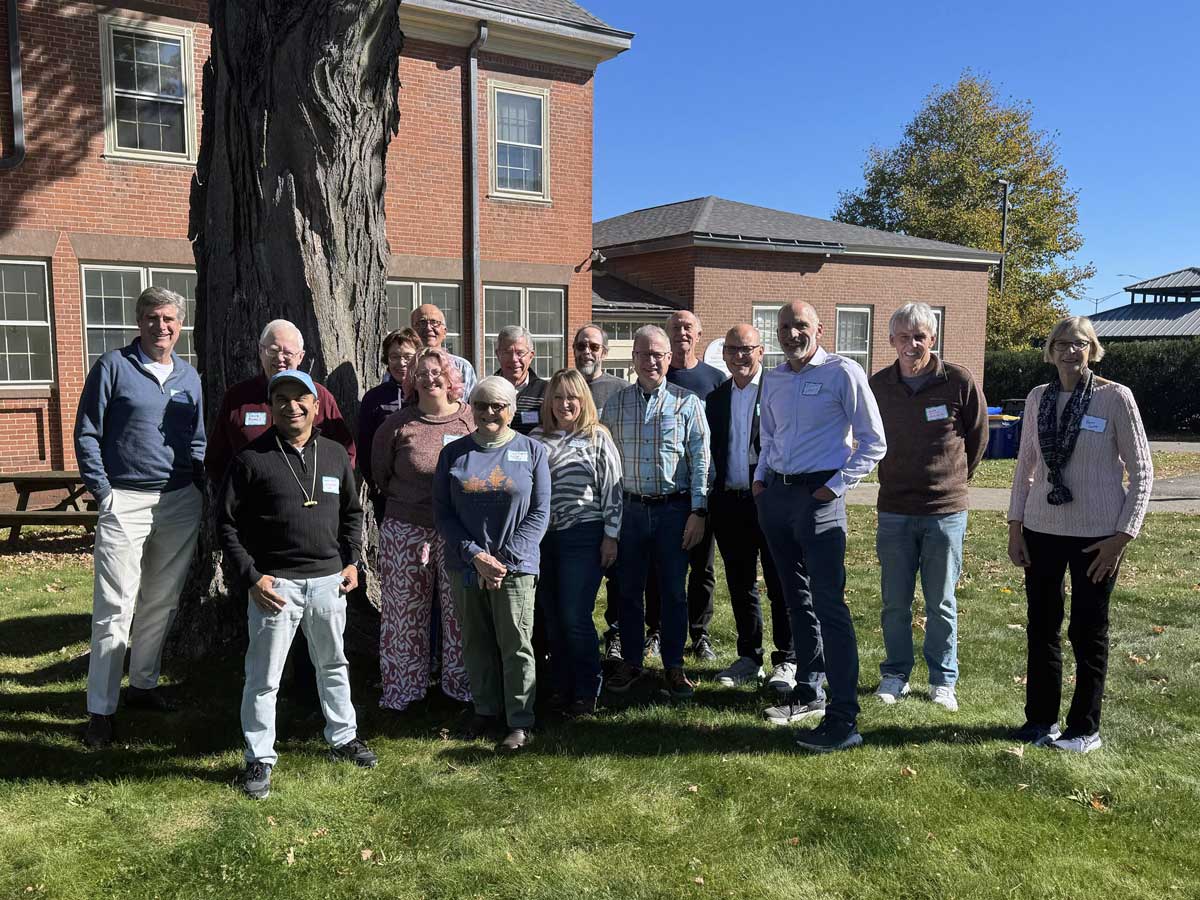
Each fall, CLCC brings together land trust Presidents and Treasurers from across Connecticut for two days of candid conversation, problem-solving, and peer learning. While the roles—and many of the issues discussed—are different, this year’s Summits returned repeatedly to a common question: What does it take to build a land trust that can thrive for the long term?
Building Leadership and Organizational Capacity
At the Presidents’ Summit, much of the conversation focused on building organizations that are not overly dependent on a small number of people. Leaders shared familiar challenges: aging boards, difficulty engaging the next generation of volunteers, inconsistent participation, and the loss of institutional knowledge as longtime leaders step away.
Participants also shared strategies that are working—from clearer board expectations, stronger governance committees, and skills-based recruitment to creating pathways that move volunteers into committee, board, and ultimately leadership roles.
The discussion extended beyond individual organizations. Presidents explored a broad continuum of collaboration, including shared programs and trainings, co-management of properties, contracted staff capacity, and, in some cases, mergers. A recurring lesson was that organizations are best positioned to collaborate and withstand transitions when they already have strong systems, adequate reserves, and well-organized records in place.
Putting Financial Resources to Work
Treasurers approached resilience from a financial perspective. Discussions explored how organizations can establish reserves with a clear purpose, align different funds with appropriate investment strategies, strengthen financial controls, and prepare for succession in a role that often carries significant institutional knowledge.
Participants also wrestled with a fundamental question: What does conservation really cost?
Protecting land is only the beginning of a land trust’s long-term obligation. Stewardship, staff, administration, technology, fundraising, legal defense, and organizational systems all require resources. Whether discussing small volunteer-led land trusts or larger staffed organizations, treasurers emphasized the importance of budgeting for those full costs and making intentional decisions about when to save, invest, and put resources to work.
Looking ahead, participants also identified opportunities around planned giving, generational wealth transfer, donor-advised funds, gifts of securities, and other tools that may help land trusts build stronger financial foundations.
Looking Ahead Together
The conversations also surfaced issues that land trusts will increasingly need to navigate – from competing demands for land and farmland conversion to conservation easement defense, changing community expectations, and the equitable impacts of conservation.
There are no one-size-fits-all answers. Connecticut’s land trusts vary tremendously in size, structure, resources, and community context. But the Summits reinforced that resilience rarely comes from a single policy, funding source, or leader. It comes from intentionally building the people, systems, partnerships, and financial resources an organization will need before they become urgent.
For CLCC, these gatherings are also an important opportunity to listen. The challenges, ideas, and resource needs raised by presidents and treasurers will continue to inform our technical assistance, resources, advocacy, and future programming.
Most importantly, the Summits demonstrated once again the value of bringing peers together. Some of the best solutions already exist within Connecticut’s land trust community, and sometimes the most valuable thing CLCC can do is create the space for leaders to find and learn from one another.
![types]](https://ctconservation.org/wp-content/uploads/Aaron-Lefland-1.jpg "types]")

Tags: Treasurers Summit