News
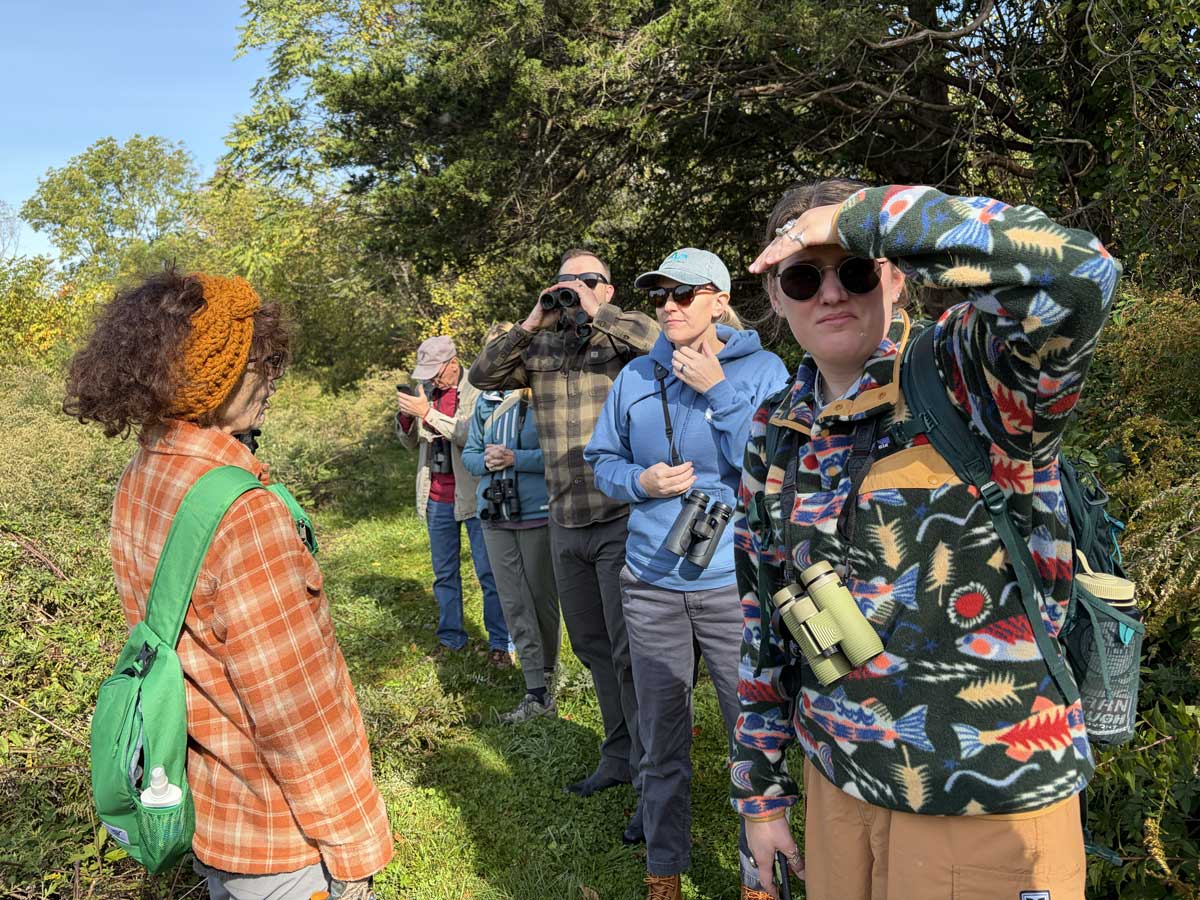
On Saturday, October 10, the Connecticut Land Conservation Council (CLCC), Avalonia Land Conservancy, and Otis Library collaborated to host Walk, Observe, Connect: A Walktober Nature Adventure in Norwich. Nine adults joined us for a morning of birding, outdoor exploration, and learning how everyday observations can contribute to conservation research.
From a Nature Walk to Community Science
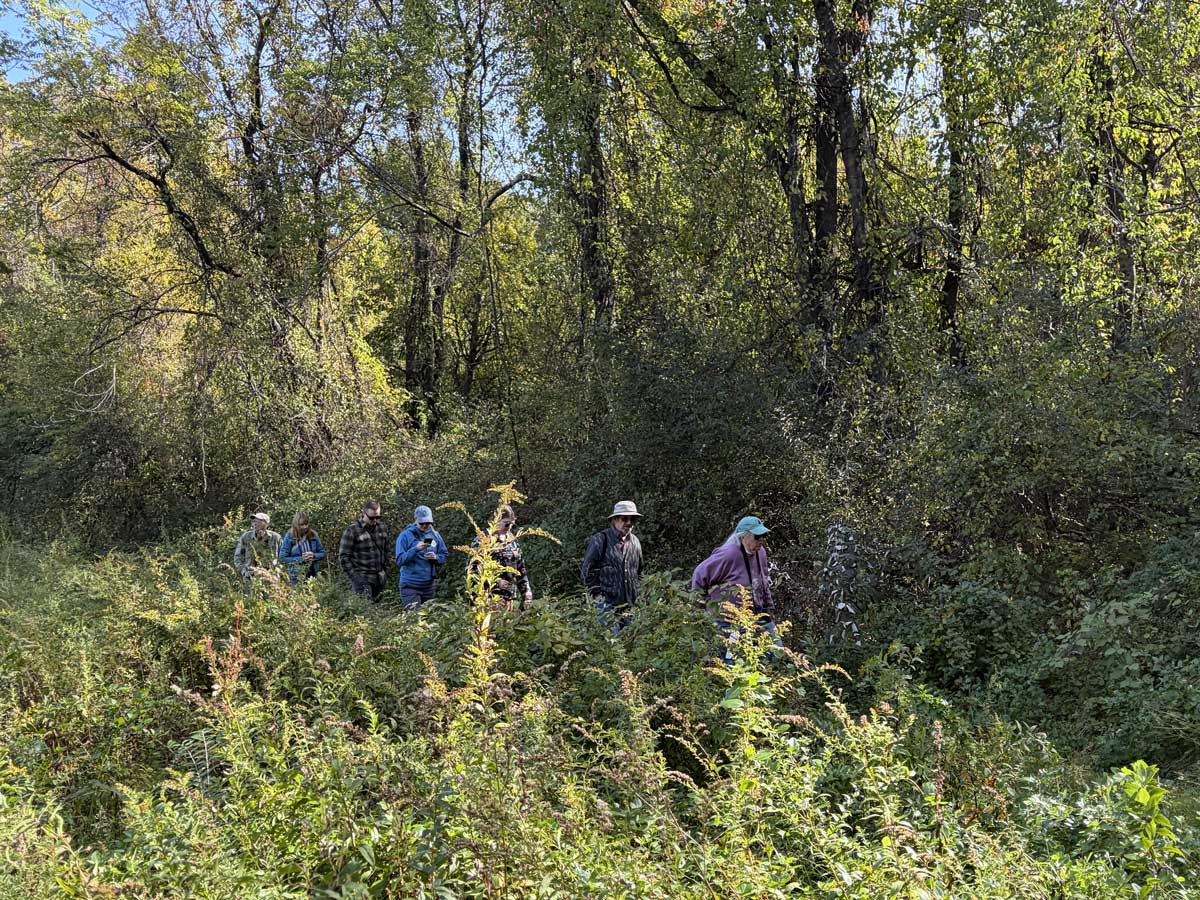
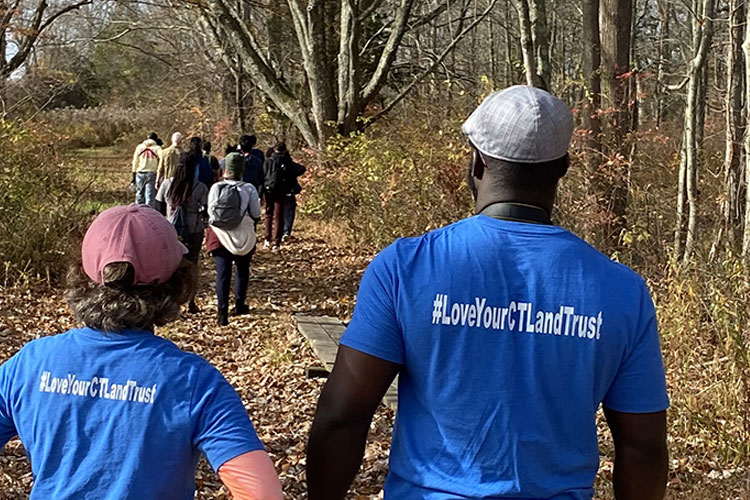
The day began at Avalonia Land Conservancy’s Cedar Wood Preserve, where participants embarked on a one-mile guided bird walk led by CLCC’s Community Conservation Coordinator, Vanessa Daye, and Allison Black, a NOAA Seabird and Marine Mammal Observer.
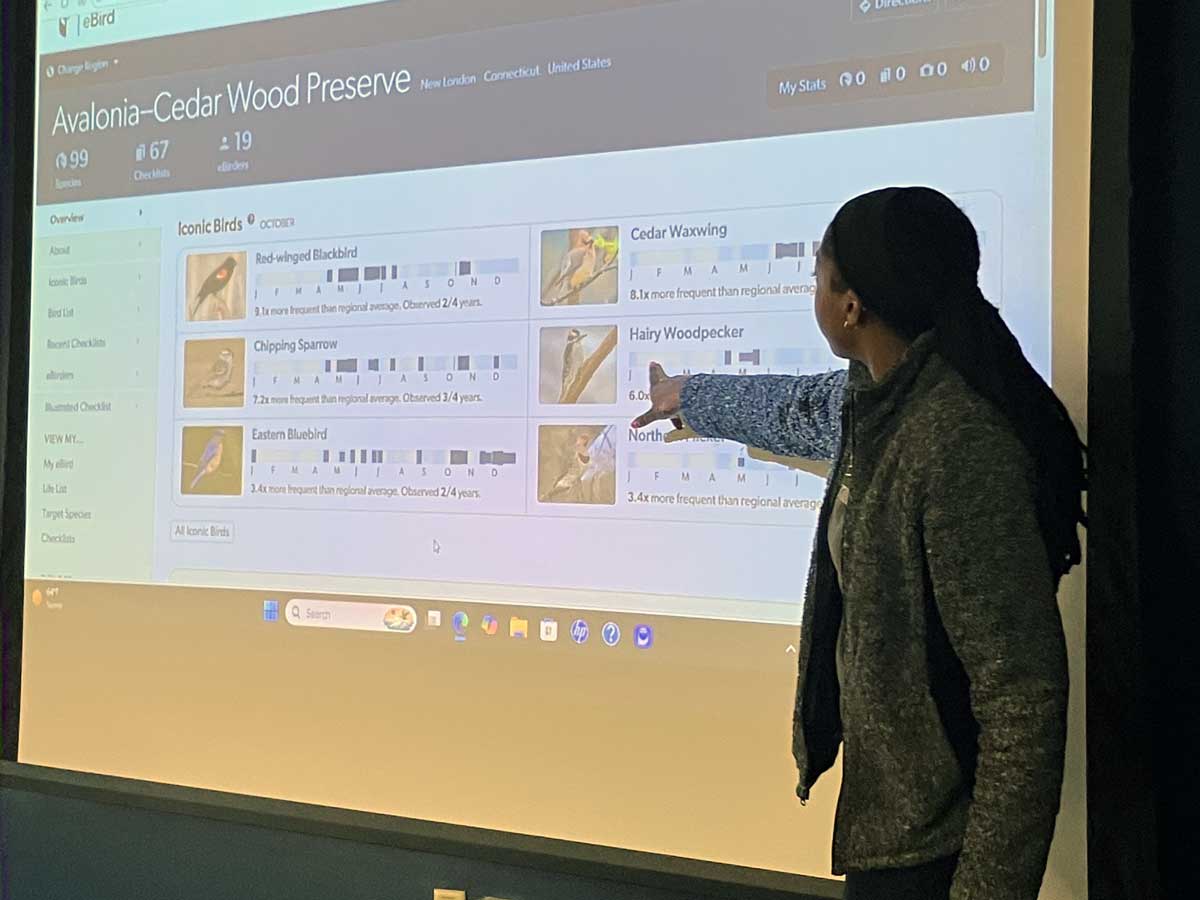
Throughout the walk, participants used the eBird app, a community science platform that allows birdwatchers to document their observations and contribute to a global database of bird populations. But beyond identifying birds, the group had an opportunity to explore how thoughtful land stewardship creates and maintains the habitats these species depend on.
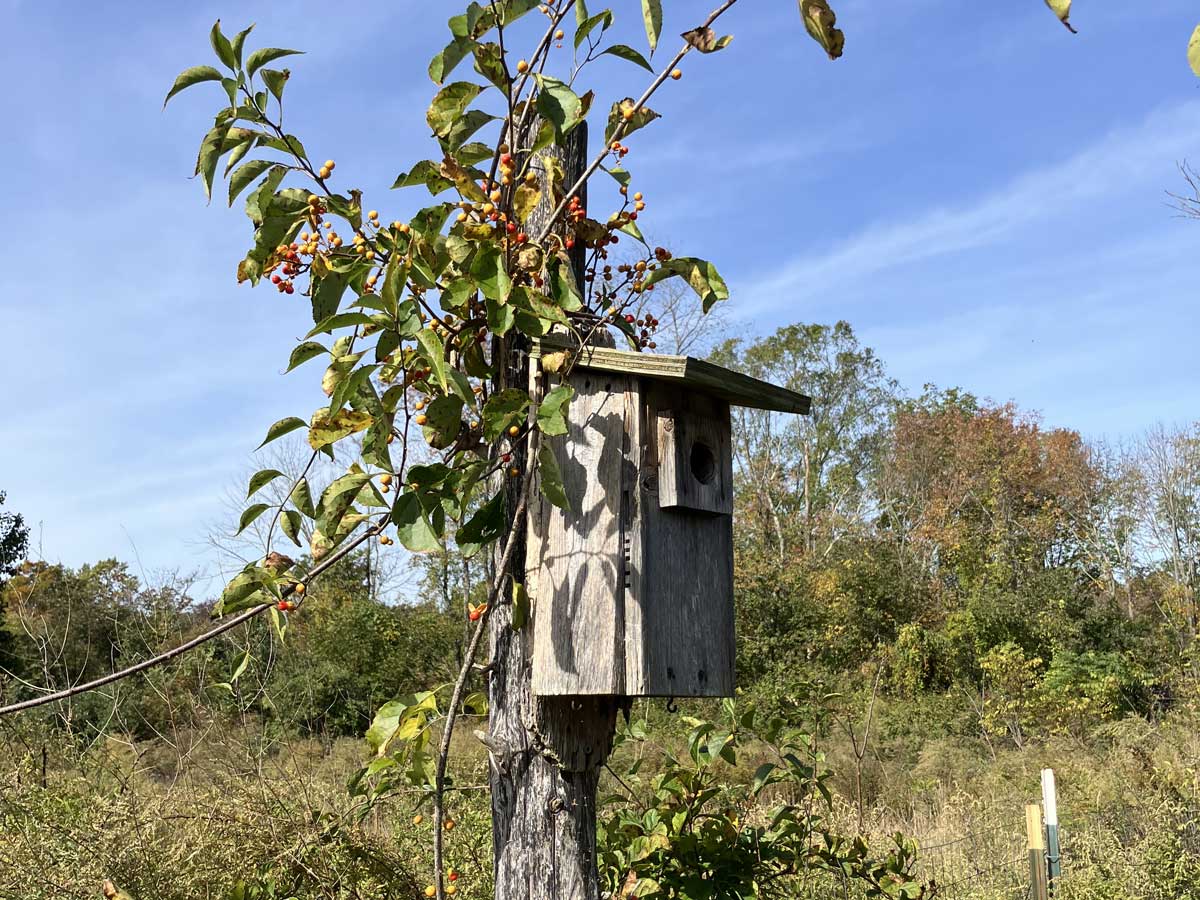
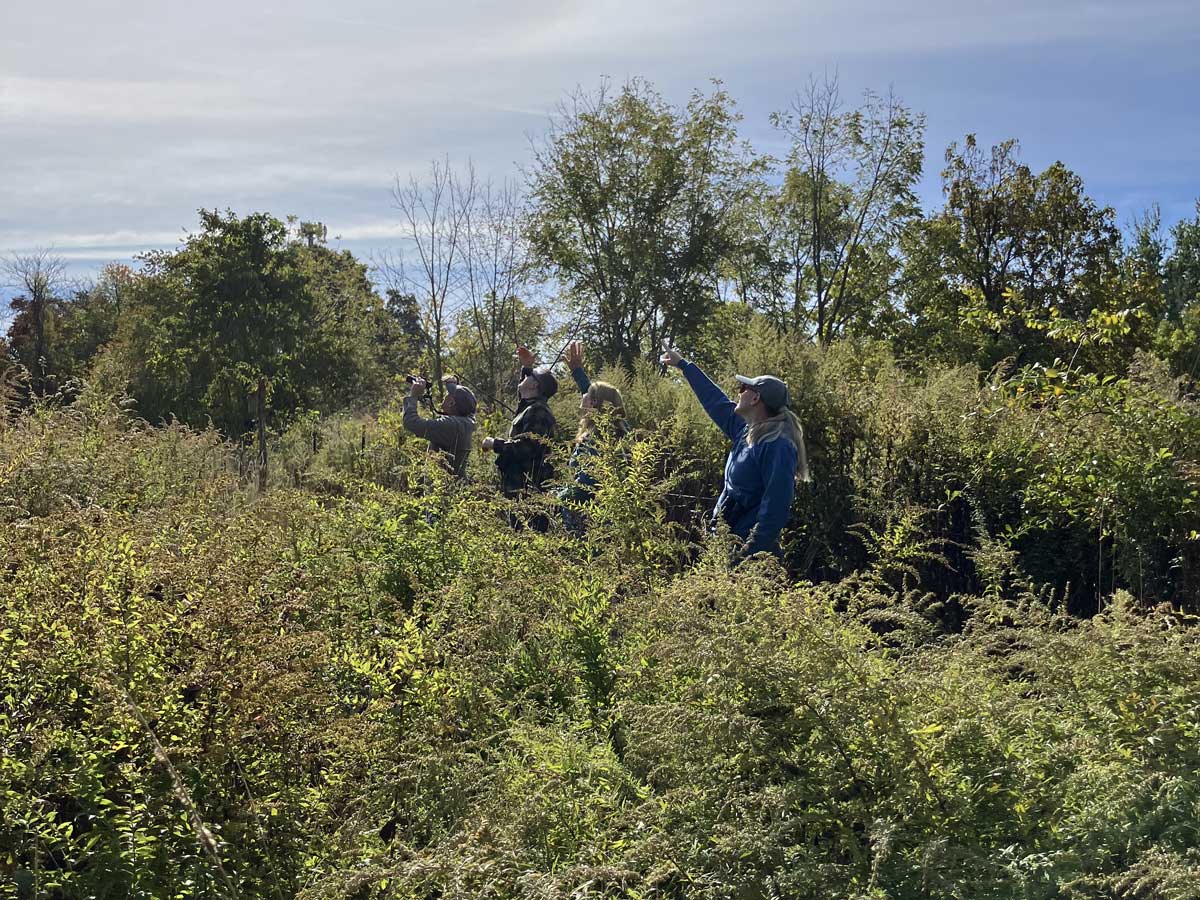
Our route took us around three meadows that Avalonia actively manages to prevent trees from overtaking the open habitat. The preserve features Eastern Bluebird nesting boxes and a 12-foot artificial chimney designed to provide nesting habitat for Chimney Swifts. While the swifts had already begun their journey south for the season, we were fortunate to spot six Eastern Bluebirds!
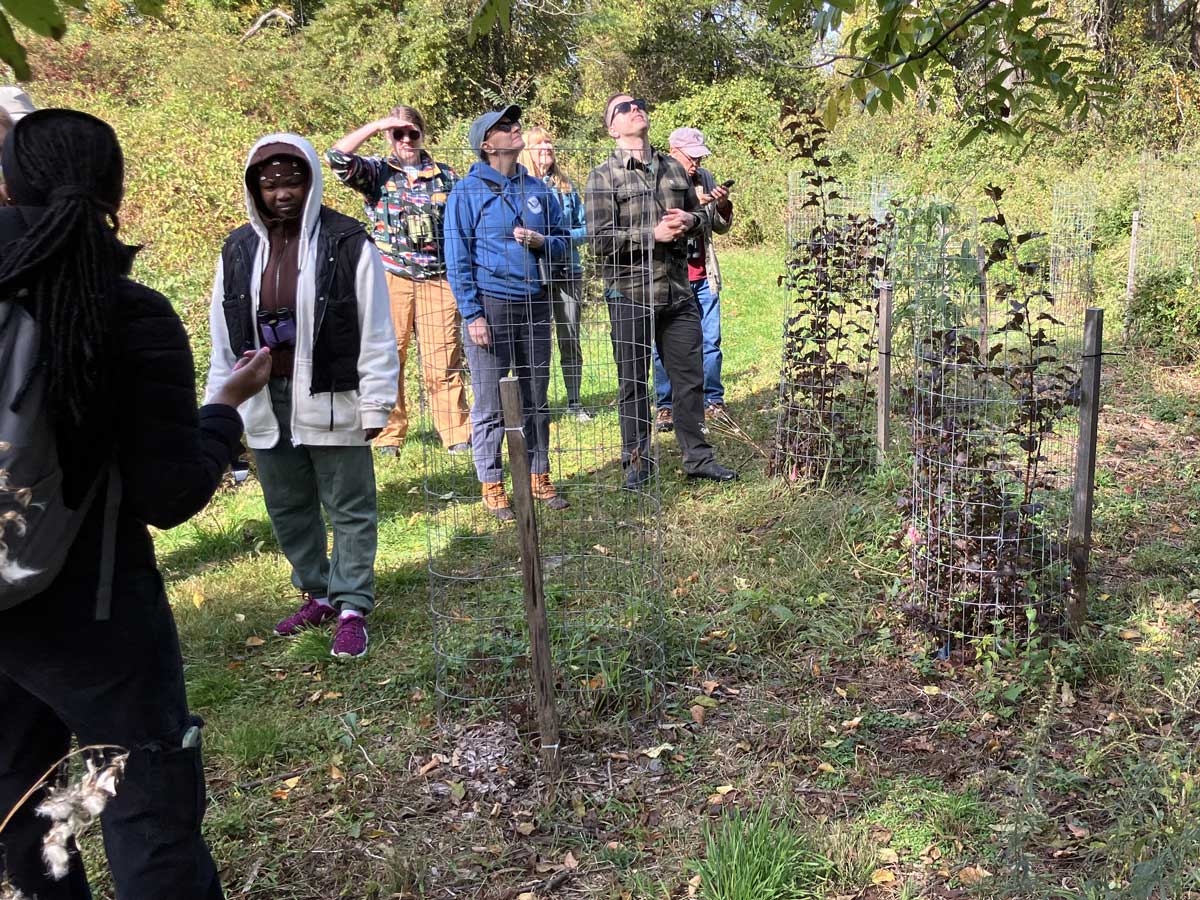
In total, the group identified 19 bird species, including a Cooper’s Hawk soaring high overhead that Allison suggested was likely migrating.
As we moved along the trail, participants also explored the transition zone between the meadows and surrounding forest. Here, Avalonia has planted native shrubs, including elderberry and serviceberry, to provide additional food and habitat for wildlife.
Among the birds we spotted were Tufted Titmice and Black-capped Chickadees, species that rely heavily on insects during the spring and summer but incorporate more berries and seeds into their diets as the seasons change. By maintaining a diversity of habitats and native vegetation, preserves like Cedar Wood provide valuable food sources that help resident birds prepare for the winter months.
Together, the group documented their sightings using eBird, demonstrating how even a short walk through a local preserve can contribute meaningful biodiversity information.
Connecting Observations to Conservation Research
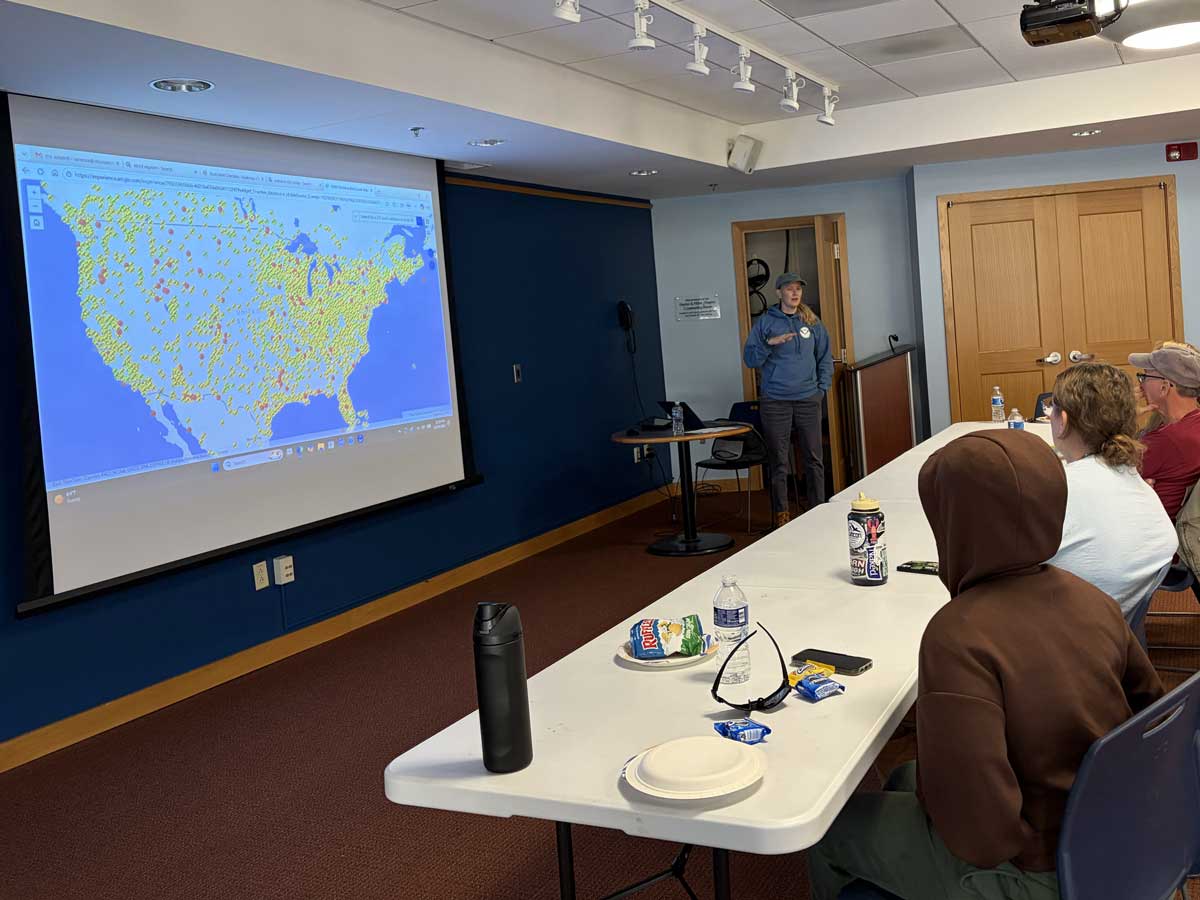
Following the hike, participants gathered at Otis Library for a free pizza lunch and an afternoon conservation talk.
Elanah Sherman introduced Avalonia Land Conservancy, highlighting its work to protect natural spaces throughout southeastern Connecticut and expand accessible outdoor recreation opportunities.
CLCC’s Vanessa Daye then reviewed the group’s eBird checklist, revisiting some of the morning’s observations and posing a central question: How can the data we collected during our bird walk contribute to broader conservation efforts?
Guest presenter Allison Black helped answer that question by sharing her experience collecting and using bird observation data for the annual Christmas Bird Count. She explained how observations contributed by birdwatchers and community scientists become part of larger datasets that researchers and conservationists can use to:
- Track bird distributions and abundance.
- Monitor migration and seasonal patterns.
- Better understand habitat use.
- Identify changes in bird populations and biodiversity over time.
- Support conservation planning, land management, and scientific research.
Allison’s presentation helped connect the morning’s hands-on experience to the larger world of conservation science. A single bird observation may seem small, but when combined with thousands of observations collected across different locations and years, it can help reveal important patterns in bird populations and environmental change.
Everyone Can Contribute to Conservation
One of the day’s most important takeaways was simple: You don’t need to be a professional scientist to contribute to conservation research.
Whether identifying birds during a morning walk, documenting plants through iNaturalist, or participating in an annual Christmas Bird Count, community members can play a meaningful role in understanding and protecting biodiversity.
Participants were encouraged to continue exploring local conserved lands, recording their wildlife observations, and discovering how small moments of curiosity can contribute to a greater understanding of the natural world.
By connecting hands-on outdoor experiences with real-world conservation applications, Walk, Observe, Connect demonstrated how conserved lands can serve not only as spaces for recreation and enjoyment but also as outdoor classrooms and valuable sites for community science.
Thank you to Avalonia Land Conservancy, Otis Library, Allison Black, and everyone who joined us for this special Walktober event!