


Our Mission
The Connecticut Land Conservation Council's mission is to elevate and strengthen land conservation in Connecticut.
We work to ensure that our parks, forests, farmlands, community gardens, streams, and wetlands are protected in perpetuity for the benefit of our present and future generations.
What's New
Feature

PATHWAYS TO NATURE
Art, Nature, and Fresh Air: Youth Explore Lake Elise through Andy Goldsworthy-Inspired Hike
What happens when you mix a scenic lakeside trail, a documentary on a world-renowned nature artist, and the boundless creativity of youth? You get an unforgettable morning of outdoor exploration and natural art-making!
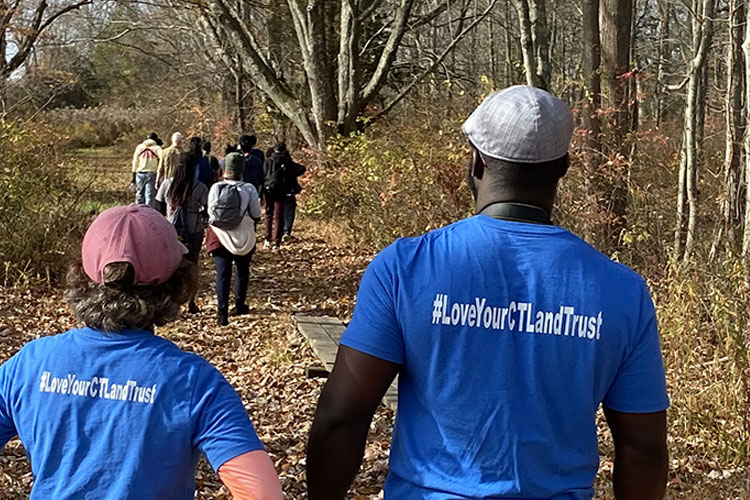
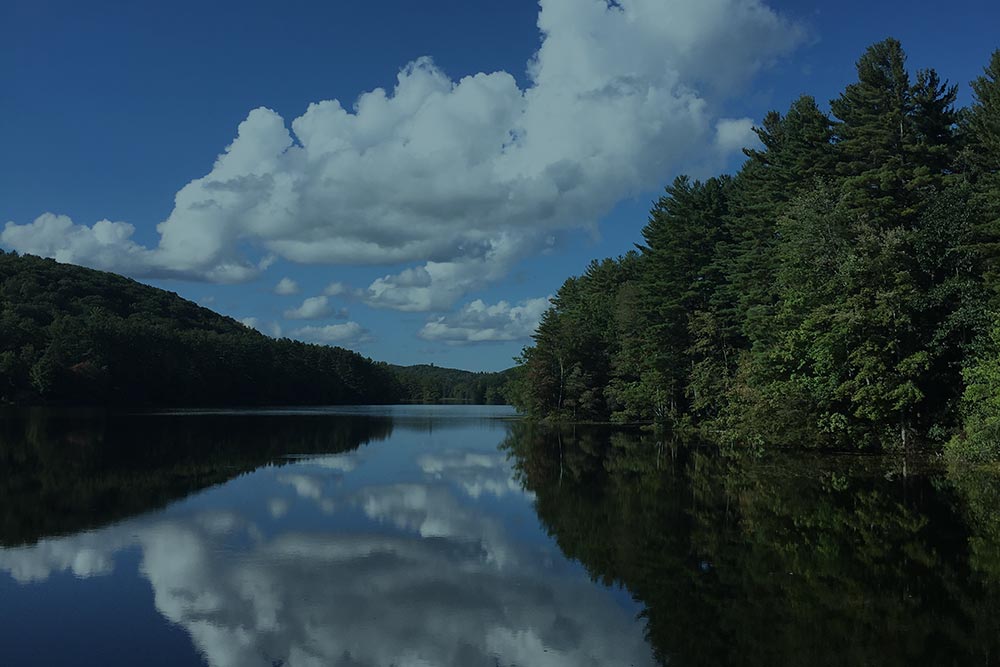
On July 16, CLCC, the Middlebury Land Trust, and the Afro-Caribbean Cultural Center teamed up to host a special Pathways to Nature: Art and Hike event. As part of the Center's summer program, this exclusive field trip brought an inquisitive group of youth to Middlebury Land Trust’s beautiful Lake Elise property for a day dedicated to creative expression and environmental appreciation.
RESOURCES, Events & Workshops

annual conference
Submit Your Conference Workshop Proposal
CLCC is now accepting workshop proposals for the 2027 Connecticut Land Conservation Conference. We are looking for workshop proposals on topics relevant to the work of land trusts and Connecticut's conservation community, including:
- Land Conservation & Stewardship
- Climate & Nature-Based Solutions
- Community Engagement & Inclusion
- Organizational Development & Leadership
- Fundraising, Communications & Advocacy
Proposals are due October 26.
Quick Links

Easements

Acres Conserved
by Connecticut Land Trusts
CLCC’S MISSION
CLCC's mission is to elevate and strengthen land conservation in Connecticut. Learn more »
What is a Land Trust?
A land trust is a nonprofit that works with individuals and communities to conserve land. Learn more »